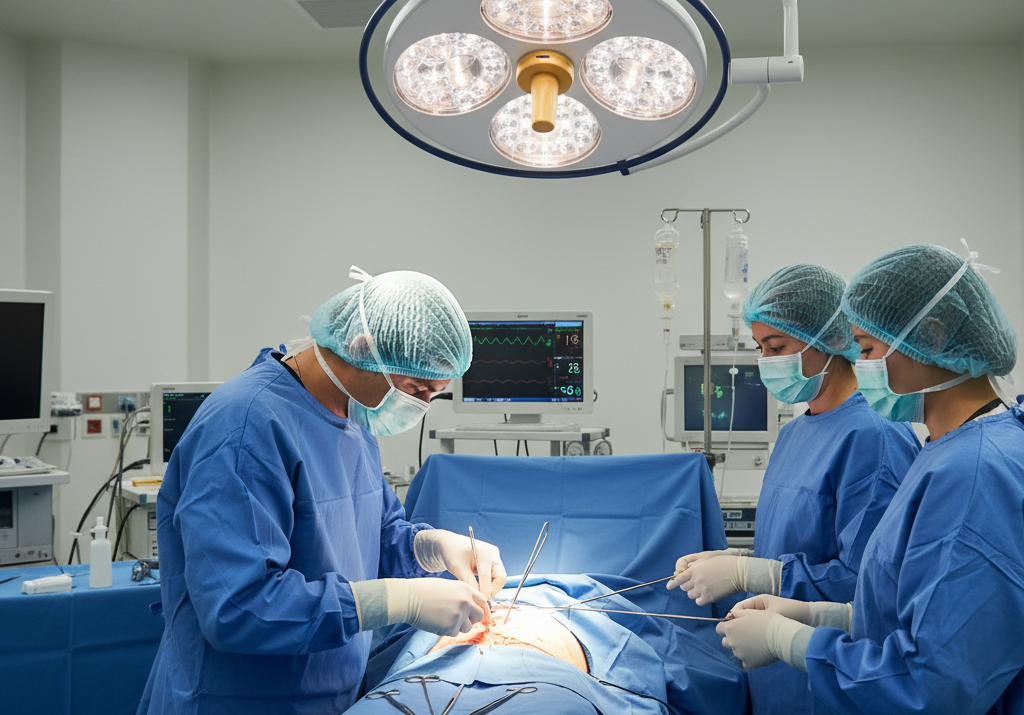

The medical industry demands unparalleled precision, biocompatibility, and reliability in the manufacturing of devices and components, as these directly impact patient safety and treatment efficacy. Metal etching, with its unique set of capabilities, has emerged as a pivotal technology in meeting these stringent requirements. Its application in the medical field offers a range of distinct advantages that set it apart from traditional manufacturing methods.
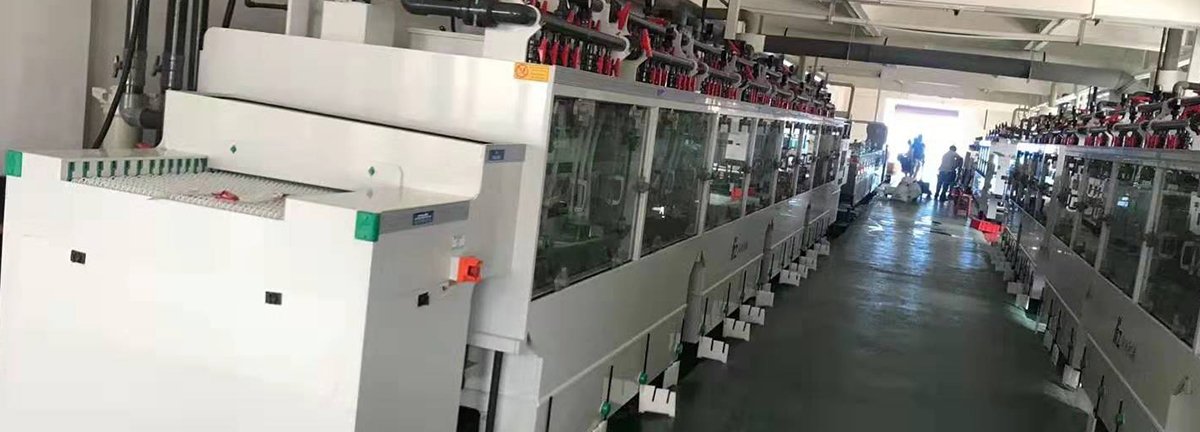
Metal etching processing is a sophisticated technology that involves a series of precise steps to achieve the desired patterns or shapes on metal surfaces through chemical or physical corrosion. Each step is crucial to ensuring the accuracy, quality, and consistency of the final product. Here is a detailed breakdown of the key processes and steps involved.
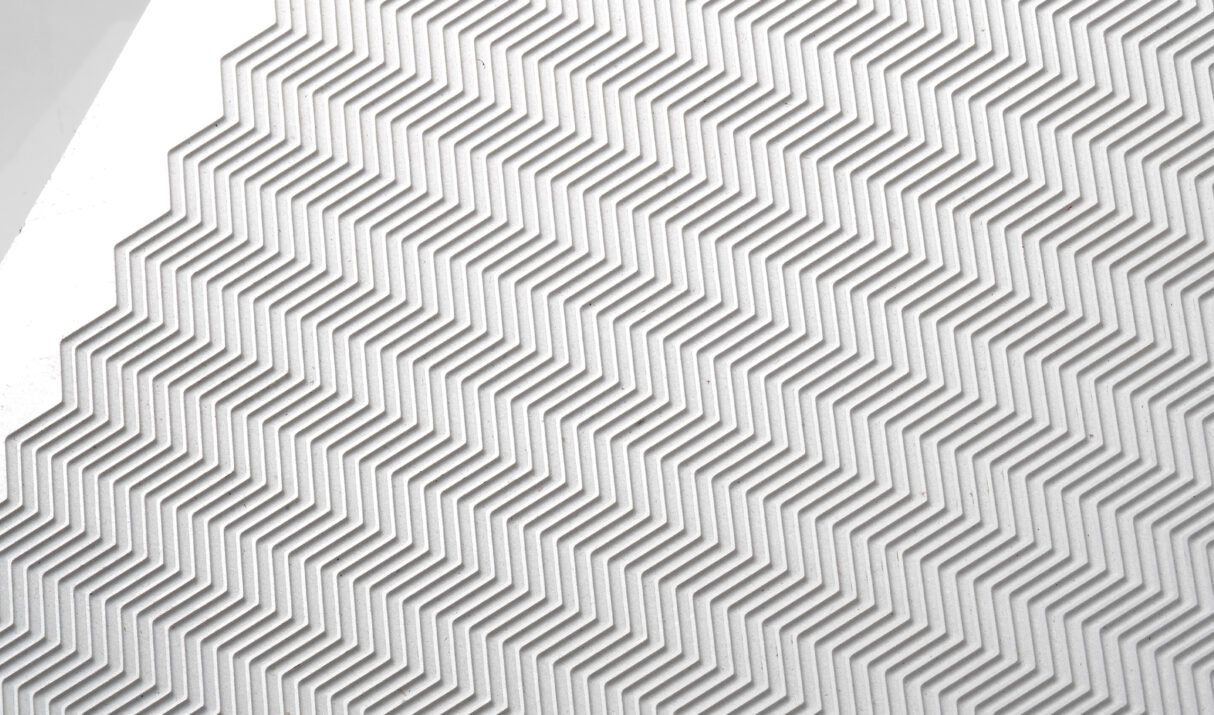
Metal etching processing, as a precision manufacturing technology, has a long history and has been continuously evolving with the progress of human civilization. Its development trajectory is closely intertwined with the advancement of science and technology, and it has played an indispensable role in various fields.

The consumer electronics industry is characterized by rapid innovation, miniaturization, and a constant pursuit of sleek design and high performance. From smartphones and laptops to smartwatches and wearable devices, manufacturers strive to create products that are lighter, thinner, more functional, and visually appealing. Metal etching has emerged as a key manufacturing technology in this sector, offering unique solutions to meet these demands. Its applications span a wide range of components, and its advantages make it a preferred choice over traditional manufacturing methods.
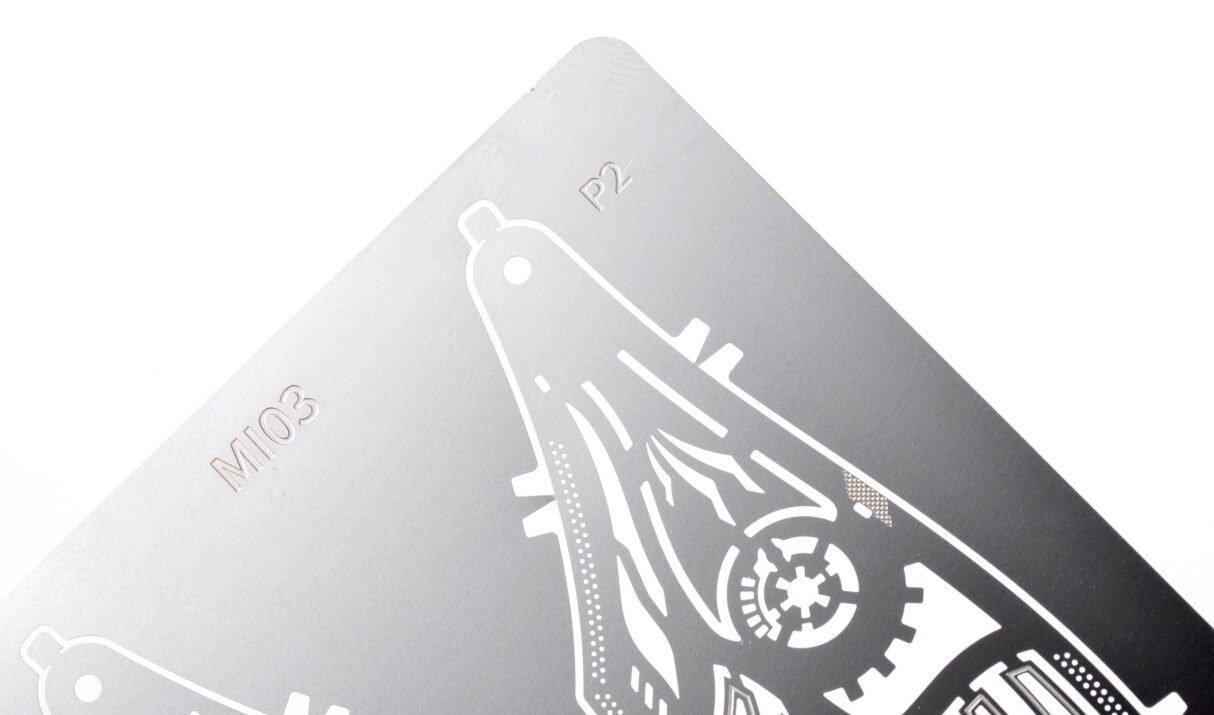
In the realms of craft decorations and toys, creativity, uniqueness, and attention to detail are paramount. Whether it’s a meticulously crafted metal ornament or a playful toy with intricate features, the manufacturing process must align with the need for aesthetic appeal, durability, and cost-effectiveness. Metal etching has emerged as a versatile and valuable technology in these fields, offering a blend of precision and flexibility that enhances both the visual and functional aspects of the end products.
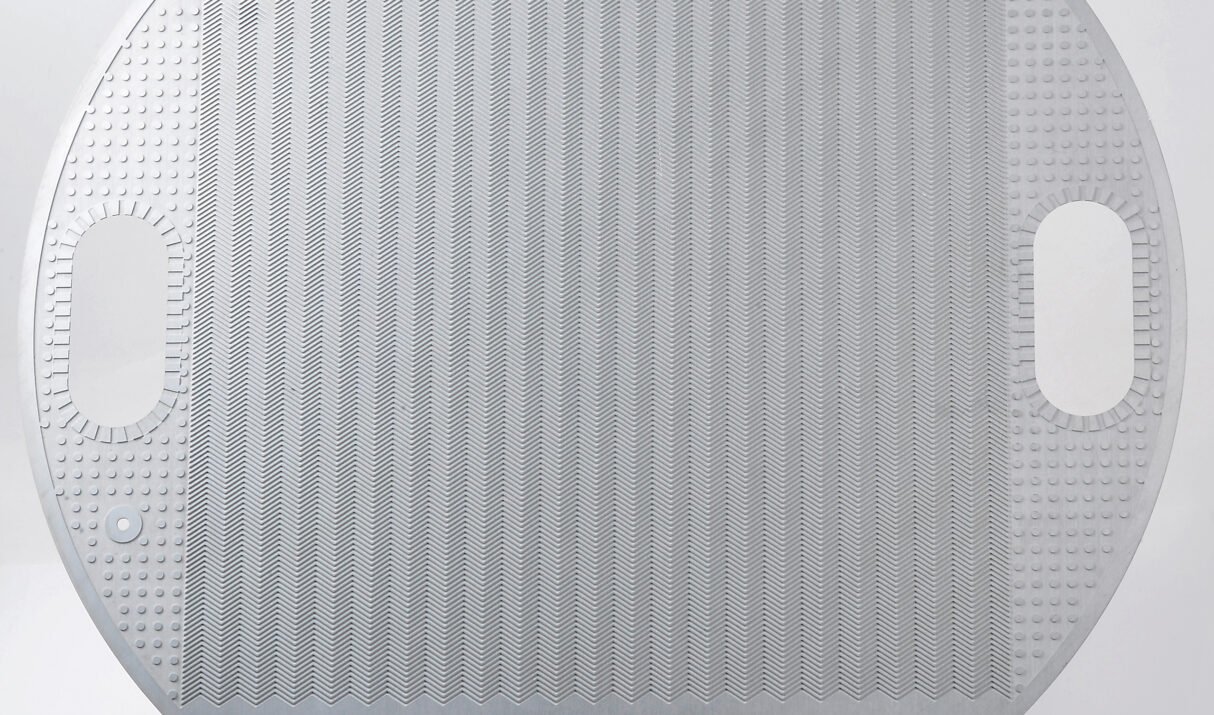
The global transition to renewable energy sources—such as solar, wind, and hydrogen—has driven unprecedented demand for high-performance, durable, and cost-effective equipment. Metal etching, with its ability to produce intricate, precise, and customizable metal components, has emerged as a critical technology in advancing new energy systems. From optimizing energy conversion efficiency to enhancing durability in harsh environments, etched metal parts are enabling innovations across solar panels, energy storage systems, hydrogen fuel cells, and more. Below is an exploration of these cutting-edge applications and their impact on the renewable energy sector.
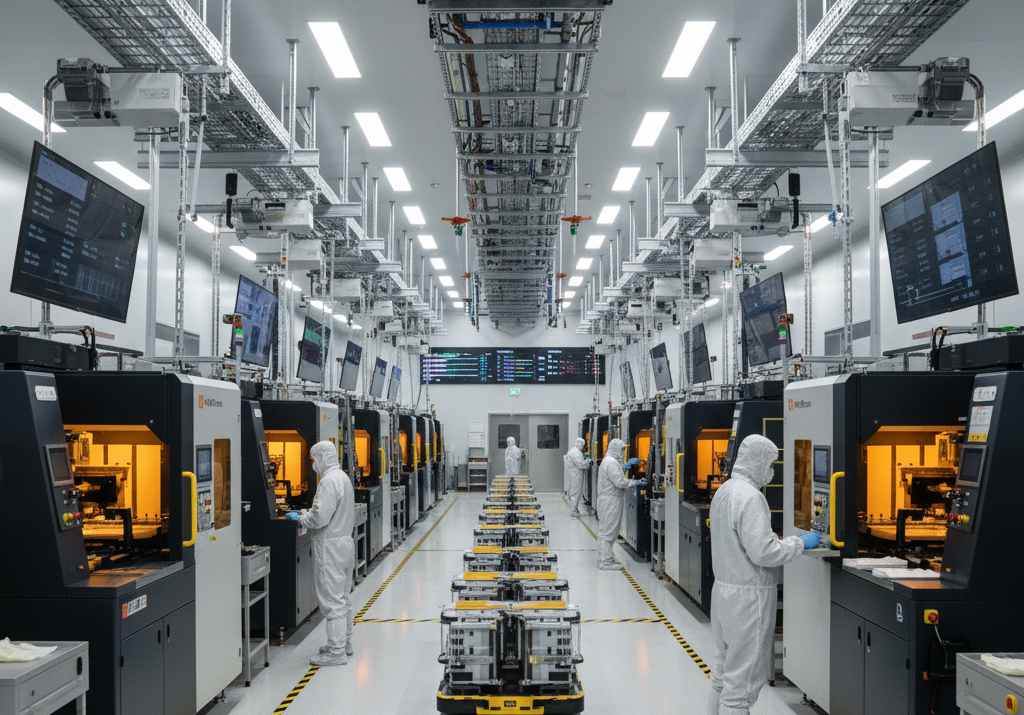
Metal etching is a precision manufacturing process that relies on chemical or physical reactions to remove material from metal surfaces, creating intricate patterns or shapes. However, despite careful control, various defects can arise during etching, affecting the quality, accuracy, and functionality of the final product. Identifying these defects and understanding their root causes is crucial for implementing effective solutions. Below are the most common defects in metal etching, along with their causes and practical remedies.
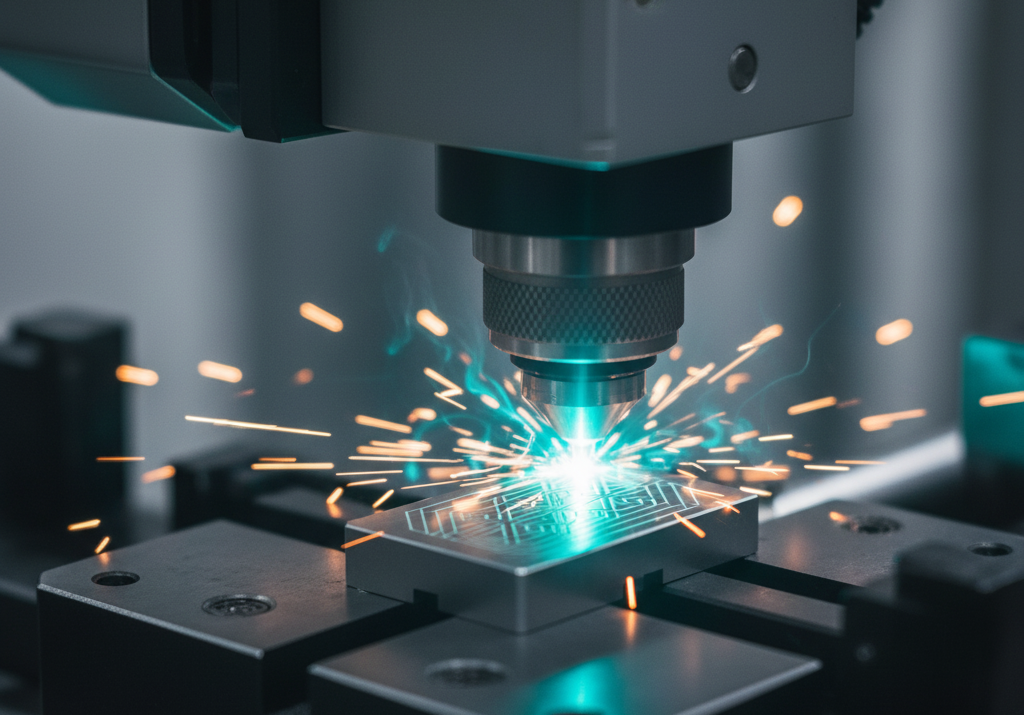
Traditional metal etching processes have long relied on toxic chemicals, such as chromic acid, ferric chloride, and hydrofluoric acid, which pose significant risks to human health and the environment. These substances can contaminate soil and water sources, require costly disposal procedures, and expose workers to harmful fumes. As global environmental regulations tighten—from the EU’s REACH directive to stricter emissions standards in Asia and North America—manufacturers are increasingly turning to environmentally friendly etching technologies. This shift not only aligns with sustainability goals but also reduces operational costs associated with waste treatment and compliance. Below is an exploration of the key developments in green metal etching and their real-world applications.
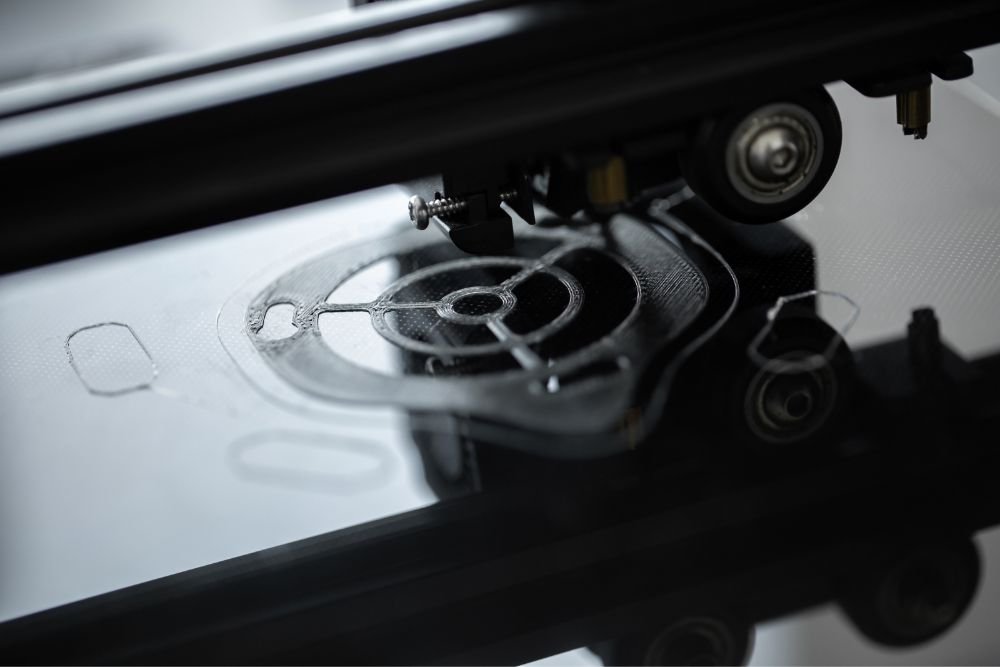
Metal etching, a precision manufacturing process that uses chemical or physical means to remove material from metal surfaces, has experienced a remarkable surge in adoption across diverse industries in recent years. This growth is driven by the technology’s unique ability to balance precision, flexibility, and cost-effectiveness—qualities that align with the evolving demands of modern manufacturing. From electronics and medical devices to aerospace and consumer goods, metal etching is transforming production processes, enabling innovations that were once considered unattainable. Below, we explore the factors behind its widespread 兴起 (rise) and its impact on key sectors.