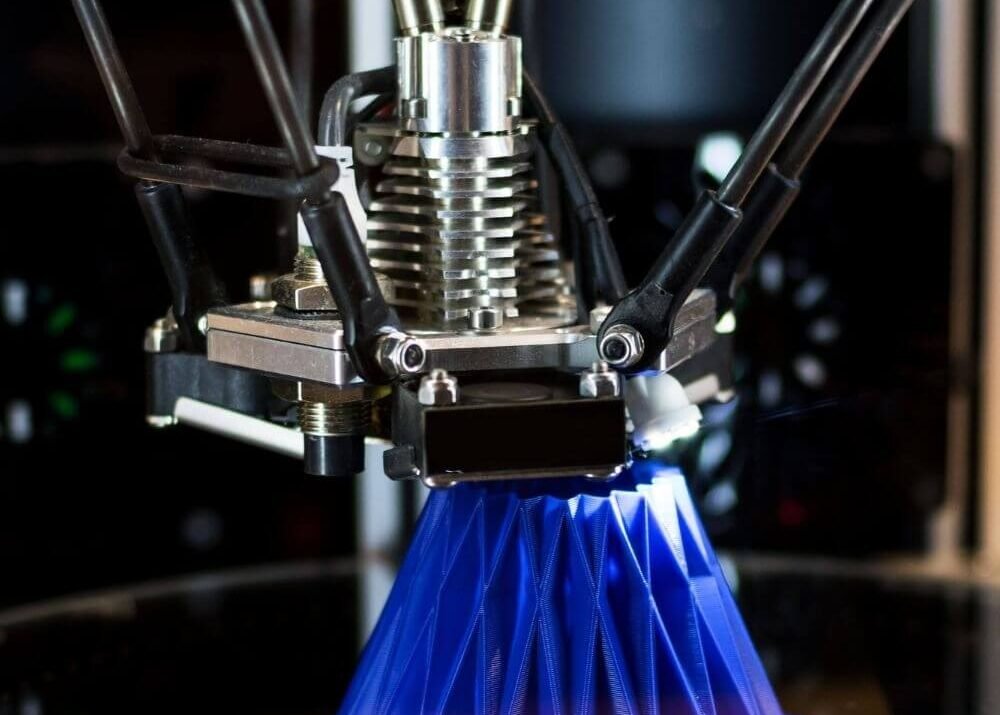

In the realm of advanced manufacturing, two technologies have emerged as transformative forces: metal etching and 3D printing. While each offers distinct advantages—3D printing excels at creating complex, three-dimensional geometries, and metal etching specializes in high-precision, two-dimensional detailing—their combined use unlocks capabilities far beyond what either can achieve alone. This synergistic relationship is redefining precision manufacturing, enabling innovations in aerospace, medical devices, electronics, and beyond. Below, we explore how these technologies complement each other, key applications, and the future potential of their integration.
Complementary Strengths: Why Metal Etching and 3D Printing Work Together
The partnership between metal etching and 3D printing is rooted in their ability to address each other’s limitations.
3D printing, particularly additive manufacturing (AM) processes like selective laser melting (SLM) or binder jetting, revolutionizes the production of intricate 3D structures with internal channels, lattice patterns, or organic shapes that are impossible to create with traditional subtractive methods. However, 3D-printed parts often suffer from surface roughness, dimensional inconsistencies, or limited precision in fine features (e.g., micro-scale holes or thin walls). Post-processing steps are typically required to refine these parts, and this is where metal etching shines.
Metal etching, a subtractive process that uses chemical or physical means to remove material, excels at refining surfaces, creating precise micro-features, and achieving tight tolerances (as low as ±0.001mm). It can smooth rough 3D-printed surfaces, add intricate details to pre-formed 3D structures, or modify specific regions of a part without altering its overall geometry. For example, a 3D-printed titanium lattice structure for a medical implant may have rough struts that could irritate tissue; etching can smooth these surfaces to improve biocompatibility while preserving the lattice’s mechanical properties.
Conversely, 3D printing can overcome metal etching’s limitations, such as its difficulty in creating complex 3D shapes or deep, enclosed features. By 3D printing a base structure, manufacturers can then use etching to add 2D or shallow 3D details that would be challenging to etch into a solid block of metal. This combination allows for both macro-scale complexity (from 3D printing) and micro-scale precision (from etching).